The Livewell Foundation Awards Over £84,000 to Ten Local Community Health Projects
The Livewell Foundation announces its 2026 major grants, supporting ten organisations working to improve health, prevent illness and reduce isolation across Plymouth and South West Devon.
From singing groups helping people with Parkinson's find their voice again, to safe houses for women in recovery, to early mental health intervention in primary schools, this year's funded projects represent the full spectrum of what it means to keep communities healthy, connected, and well.
The grants, which range from £5,000 to £10,000, have been awarded to organisations whose work aligns with the Foundation's three current funding priorities: improving health and wellbeing, preventing ill health, and reducing social isolation.
| |
“This year’s major grants represent everything the Livewell Foundation stands for. Together, these grants will reach more than 1,700 people across Plymouth and South West Devon. We look forward to celebrating the difference they make.”
— Chris Davies, Chair of Trustees, Livewell Foundation
|
The organisations receiving funding this year serve some of Plymouth's most vulnerable and underserved communities. Women and girls feature prominently across the cohort — not by coincidence, but because the data is clear: women in Plymouth spend significantly more of their lives in poor health than the national average, face higher rates of mental health challenges, and are disproportionately affected by poverty, isolation, and housing insecurity.
Several funded projects work specifically with women who have experienced domestic abuse, homelessness, addiction, or trauma. Others focus on the particular health needs of older women, mothers, women from refugee and asylum-seeking communities, and women living with neurological or respiratory conditions. This year's cohort also reaches children, older people, and families — reflecting the Foundation's belief that health is shaped across the whole course of a life, and that supporting communities means supporting people at every stage.
Some of the most striking work in this year's cohort uses creativity and community as a pathway to better health. Plymouth Music Zone's two weekly sessions — Sing Out for adults with neurological conditions including Parkinson's and post-stroke, and Moving Sounds for adults with long-term disabilities and their carers — are backed by compelling evidence: 83% of participants report feeling less socially isolated after attending.
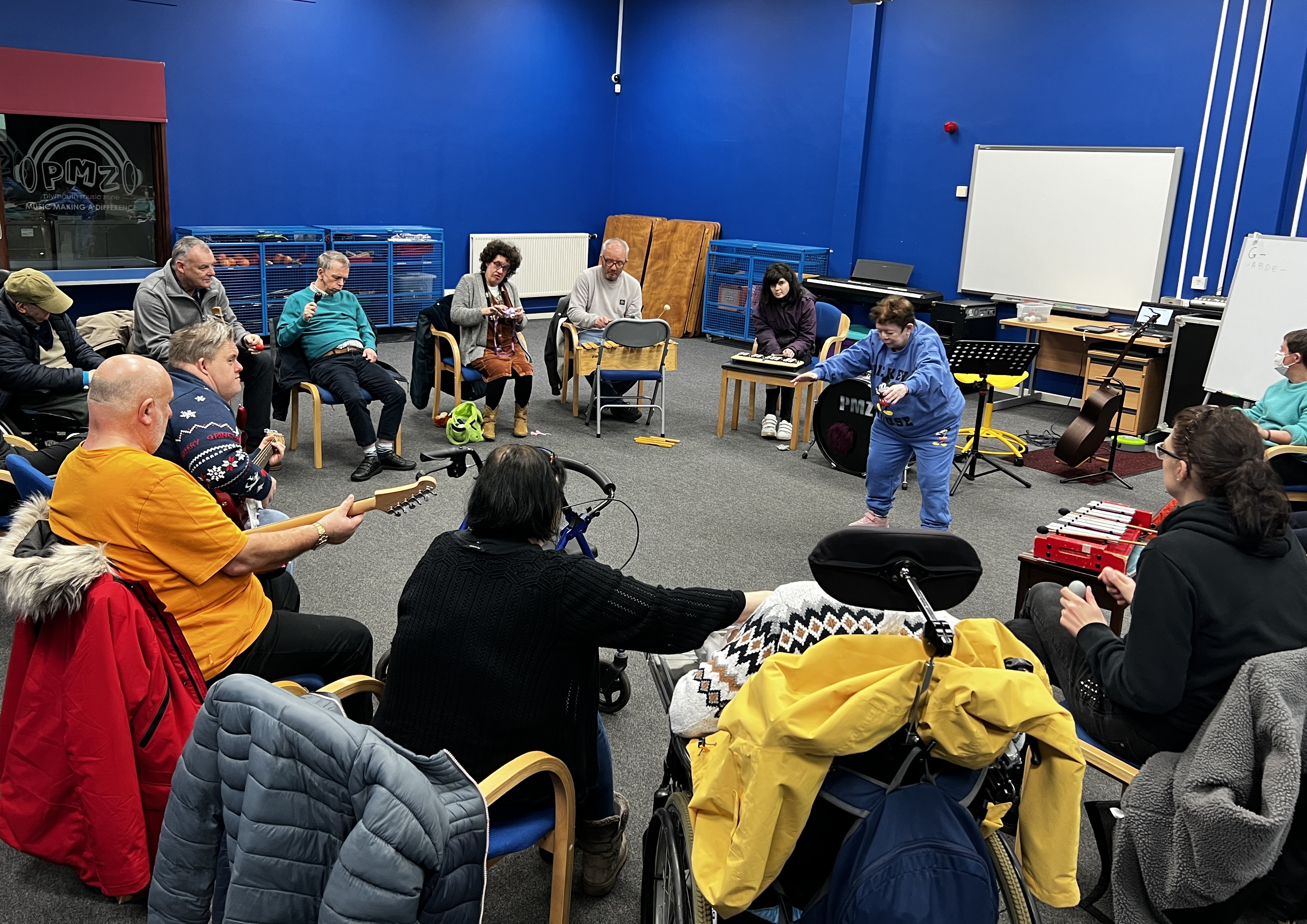 |
| Plymouth Music Zone participants connect through music and movement |
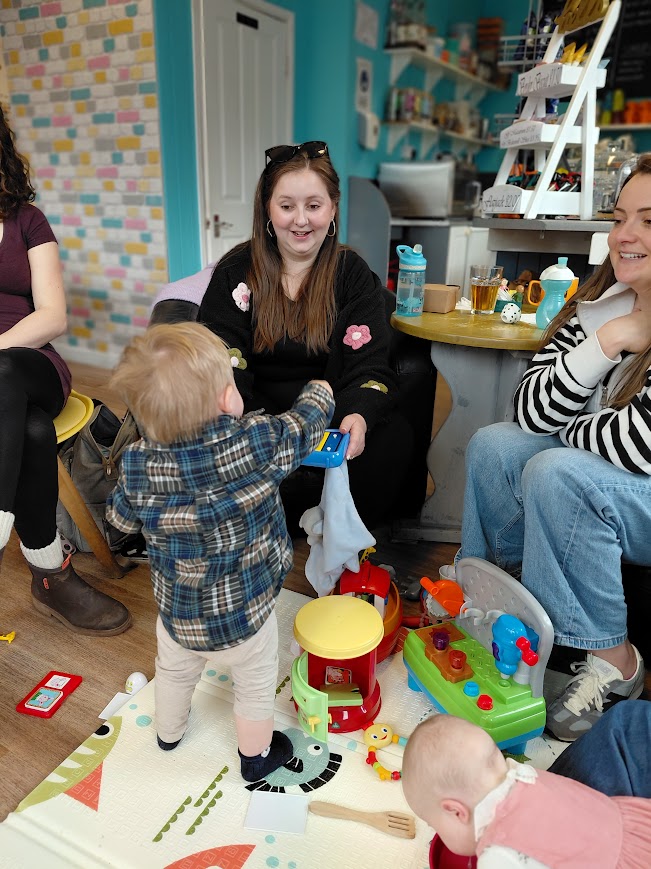
Soul Singers CIC is doing something similar, but with a particular focus on women and mothers. Their Moments with Mama groups bring new and existing mothers together through song, while a brand new Singing for Lung Health programme — the first of its kind in Plymouth — is specifically designed for women living with asthma, bronchiectasis and COPD, conditions that disproportionately affect women and are often underdiagnosed. "Supportive and encouraging, filled with warmth, joy and connection," says one participant. "Very special sessions."
For some of the people reached by this year's grantees, the starting point is more fundamental: a safe, stable place to live. Firestone Plymouth's Lighthouse Project provides abstinence-based, drug and alcohol-free supported housing for people in recovery. This grant sustains Firestone's existing men's house and supports the opening of a new women's project — a critical response to rising levels of women's homelessness and rough sleeping in the city. "At Firestone, we do more than put a roof over someone's head," says Managing Director Dominic Robinson. "We make sure our residents get help for their physical and mental health, we support them into training or volunteering, and we help them reconnect with family members."
Access to safe space takes a different form at It Takes a Village Plymouth CIC, which provides inclusive community space for women, girls and families in Stonehouse — one of Plymouth's most deprived neighbourhoods. Through clothes swaps, sustainability workshops, STEAM Stay & Play sessions and volunteering opportunities, the project helps women build confidence, reduce financial stress, and access community support at their own pace. "This is an amazing opportunity for families like me," says one participant. "You don't know how much it means to us."
Several of this year's funded projects are working specifically with people who have fallen through the gaps of existing services. Devon and Cornwall Refugee Support's Health Point — a weekly community health clinic — reduces barriers to healthcare for asylum seekers and refugees in Plymouth. This grant expands a women-focused health programme covering reproductive health, cancer screening awareness and digital health access, alongside a new crèche offer that enables mothers to participate in social prescribing and wellbeing activities for the first time.
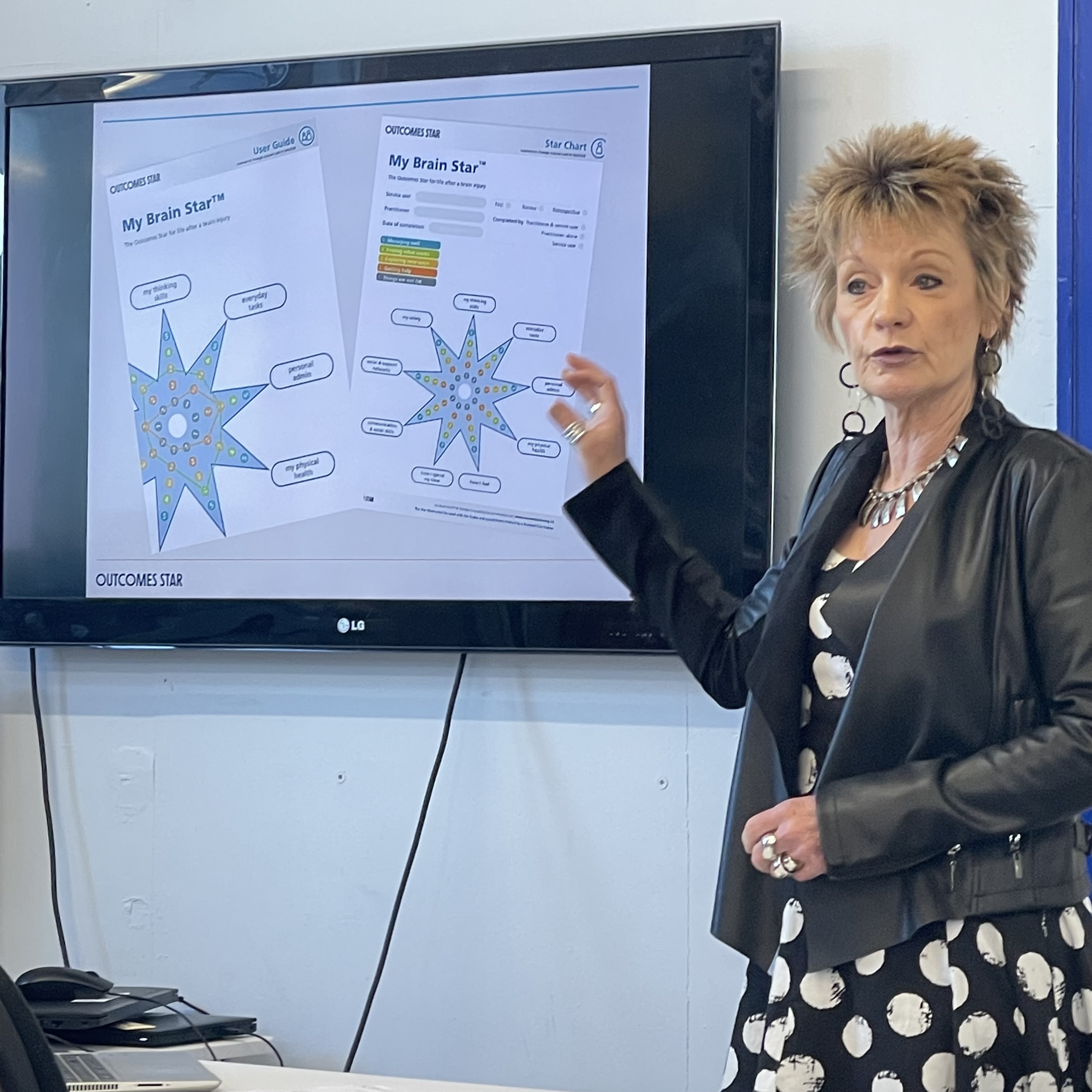
Headway Plymouth is addressing a different kind of invisibility: the experience of women with acquired brain injury (ABI), who are often undiagnosed and underserved, including those affected by domestic abuse, homelessness and substance use. The project introduces a new screening tool across frontline services, alongside one-to-one support, trauma counselling, peer support groups and brain injury education — giving women a name for what they are experiencing, and the support to move forward.
 |
 |
|
Soul Singer’s Moments with Mama
postnatal wellbeing sessions
|
Headway Plymouth
|
The Elder Tree’s grant funds three new weekly groups, directly benefiting 50 older people — 93% of them women — who are experiencing loneliness, frailty and declining health. The impact is hard to overstate. "It's changed my life considerably — the best thing I've ever done," says one participant. "My life has been enriched by making new friends, and I feel connected to women in my neighbourhood."
In South Devon, Next Steps (Living Dying Grieving) CIC is taking an intergenerational approach at Tumbly Hill in Kingsbridge, bringing together young children, their carers and older people — including those living with mild dementia — through reading, movement, cooking, growing and peer support. In an area where rural isolation, rising dementia rates and growing children's mental health needs all converge, the programme offers something genuinely rare: a place where different generations can simply be together.
Two further projects in this year's cohort focus on building the psychological foundations for long-term wellbeing. Wellbeing Workshops Devon CIC is delivering a two-tier psychoeducation model for women in Devonport and St Peter & the Waterfront Yard — both in the top 10–20% most deprived areas in England — drawing on evidence-based positive psychology, neuroplasticity and emotional regulation. The approach clearly resonates. "All of my relationships have improved because of the knowledge I have gained through this course," says a previous participant. "I often share what I've learnt with others, and I feel like I can support my dependents more effectively."
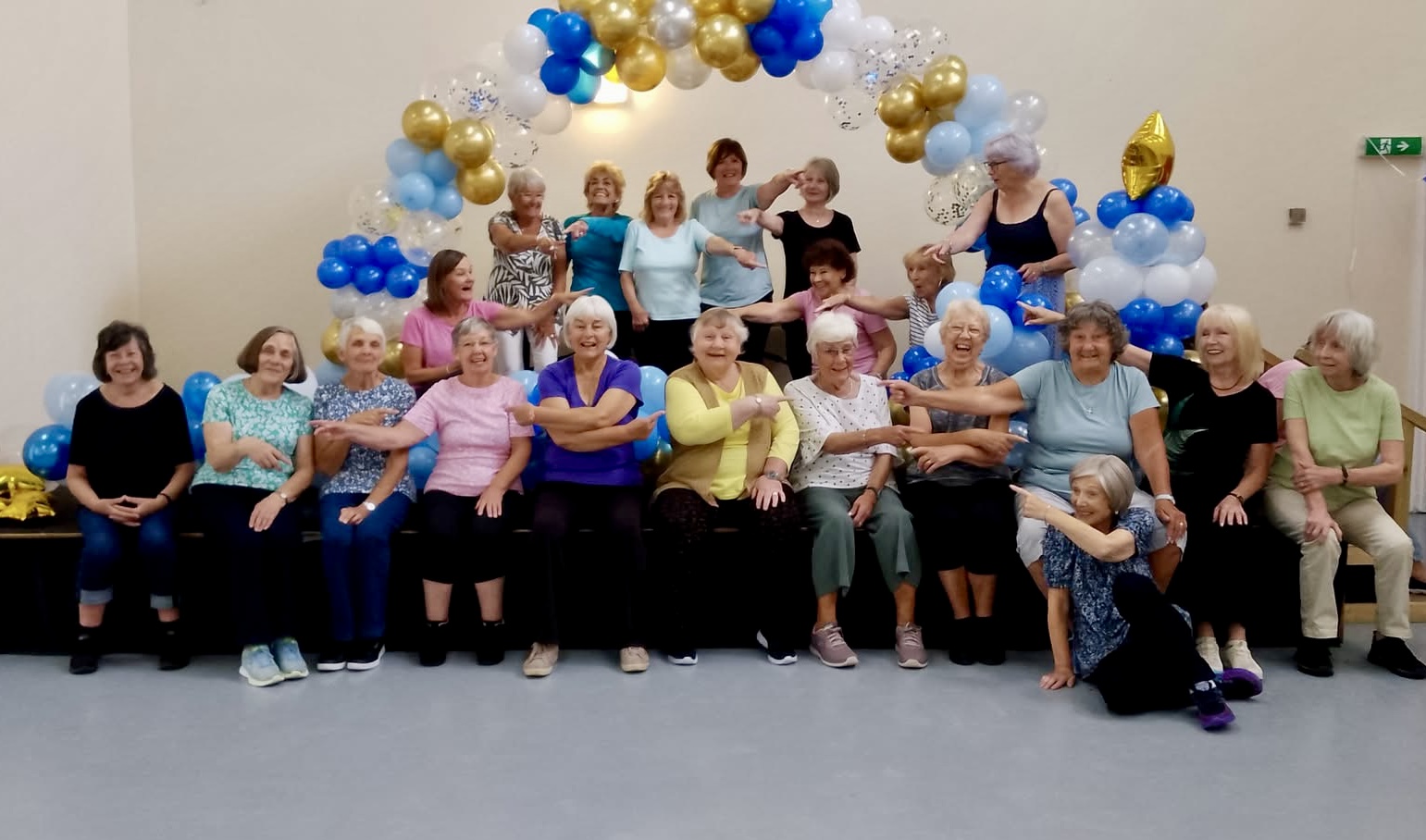 |
| Elder Tree participants taking part in the Active Lives program |
Stormbreak CIO is working even earlier in the life course, training staff in ten Plymouth primary schools — prioritising more deprived neighbourhoods — to deliver early intervention mental health and wellbeing support for children. Crucially, each trained adult continues to deliver the programme to future cohorts, creating a ripple of impact that extends well beyond the life of the grant. "I learnt how to speak out about my feelings," says one child who has taken part. "Before doing Stormbreak, I couldn't do this. But now I can."
Hayley Everett, Charity Manager at the Livewell Foundation, reflected on what made this year's cohort stand out: "What struck the trustees about this year's cohort is not just the breadth of the work but the depth of understanding each organisation brings to its community. They are rooted, trusted, and often run by people with lived experience of the very challenges they address."
All ten grants are awarded in support of the Foundation's current funding priorities — to improve health and wellbeing, prevent ill health, and reduce social isolation — and reflect a commitment to funding work that is preventative, community-led, and targeted at those facing the greatest health inequalities.
| |
"These are the kinds of projects that transform lives quietly, every day and we are honoured to play our part in supporting them."
— Chris Davies, Chair of Trustees, Livewell Foundation
|